
Dealing with fiberglass insulation isn’t fun. I’ve been in the trades for over a decade, and I still dread that prickly feeling. You finish a job in a Mattoon, Illinois attic, and suddenly your arms feel like they’re on fire. Homeowners tackling DIY projects face this too. That tiny glass dust gets everywhere.
Fiberglass dermatitis is real, and it hits hard. But how long does it actually last? Most folks want straight answers about fiberglass exposure symptoms and real relief. Here’s what actually happens and how to deal with it properly.
What Causes Fiberglass Itchy Skin?
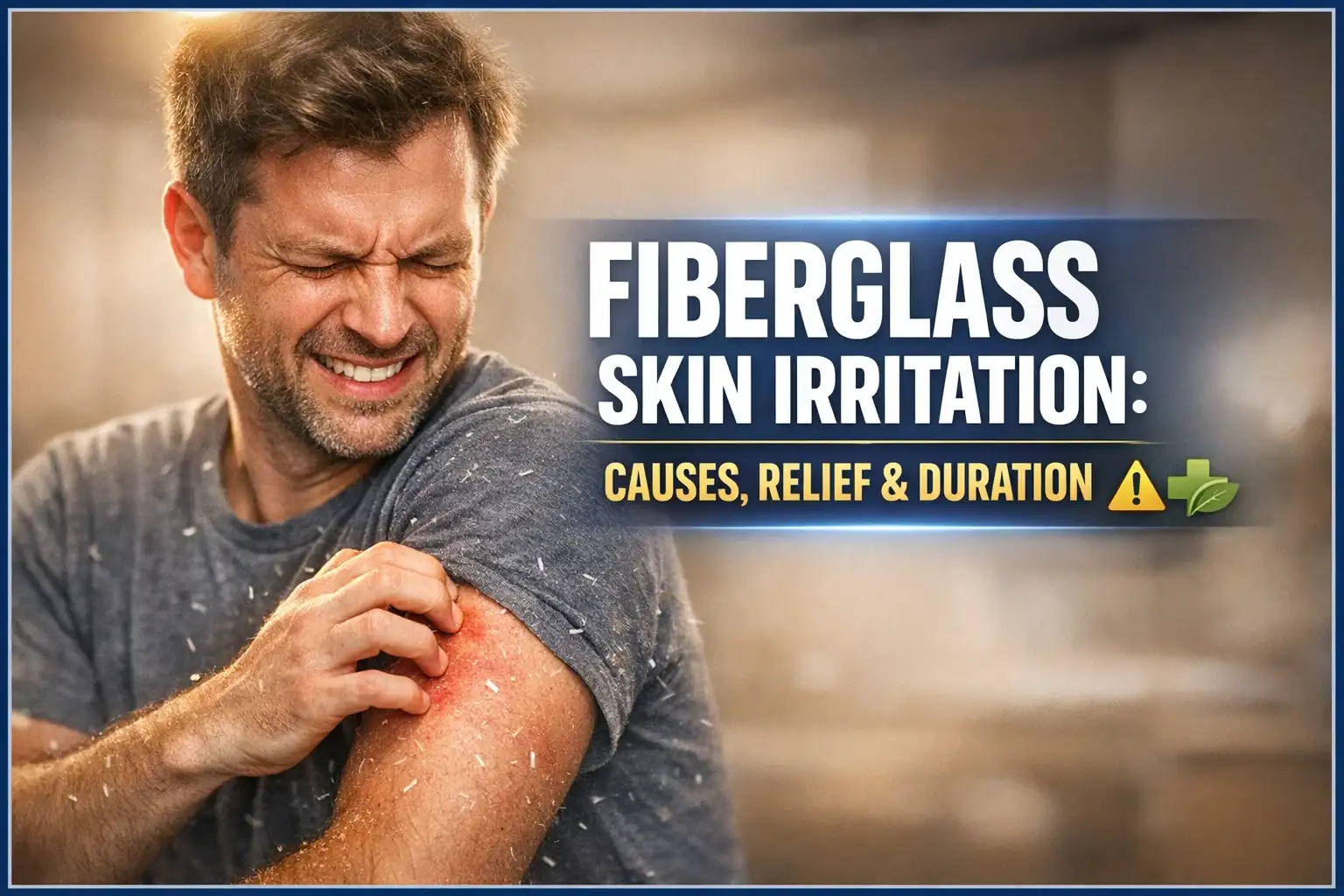
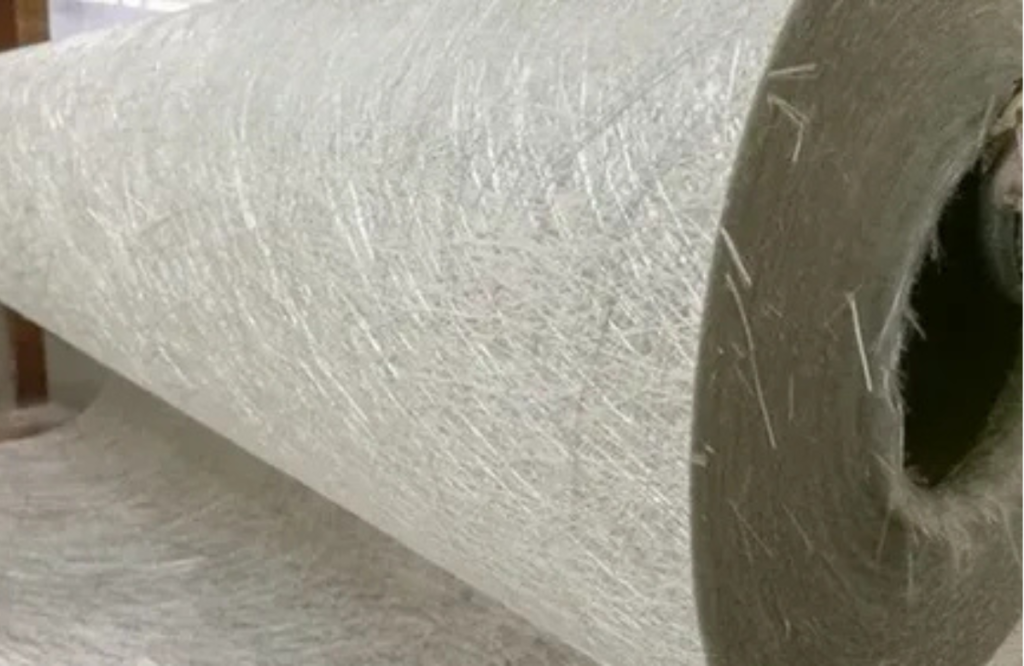
Fiberglass fibers are extremely thin—thinner than human hair. When they touch your skin, they embed slightly and cause irritation. Your body reacts as if it’s under attack, leading to redness, burning, and intense itching.
This reaction is commonly called fiberglass dermatitis. It often occurs during installation, removal, or even basic handling of insulation materials such as those used in residential fiberglass wall insulation. Tiny fibers break loose, become airborne, and settle on exposed skin without you even noticing.
Most reactions are not allergies. They are mechanical irritation caused by tiny strands physically poking the skin. This is why symptoms can vary from person to person depending on exposure level and sensitivity.
How Long Does Fiberglass Itch Last?
The duration depends on exposure and skin type. In most mild cases, fiberglass itch lasts around two to four days with proper cleaning and care.
In deeper exposure cases, it can last up to a week or longer. Severe irritation may persist for around ten days if fibers are embedded deeply in the skin.
The worst itching usually occurs in the first 24 hours. Scratching makes it worse by pushing fibers deeper into the skin, increasing irritation and delaying healing.
How to Remove Fiberglass From Skin Properly
Quick removal is key. Start by washing the affected area with cool or lukewarm water. Hot water should be avoided because it opens pores and allows fibers to go deeper.
Avoid scrubbing. Gently rinse and pat dry instead of rubbing the skin.
A useful method is using tape. Press duct tape or packing tape onto the skin and lift it slowly to pull out surface fibers. Repeat if necessary.
Wash again with mild soap after tape removal. Some people also use cold cream or baby oil to loosen fibers before showering. Gentle cleaning helps reduce irritation significantly.
Protecting Yourself: Gear That Matters
Prevention is always better than treatment. Proper protective gear makes a huge difference when working with fiberglass.
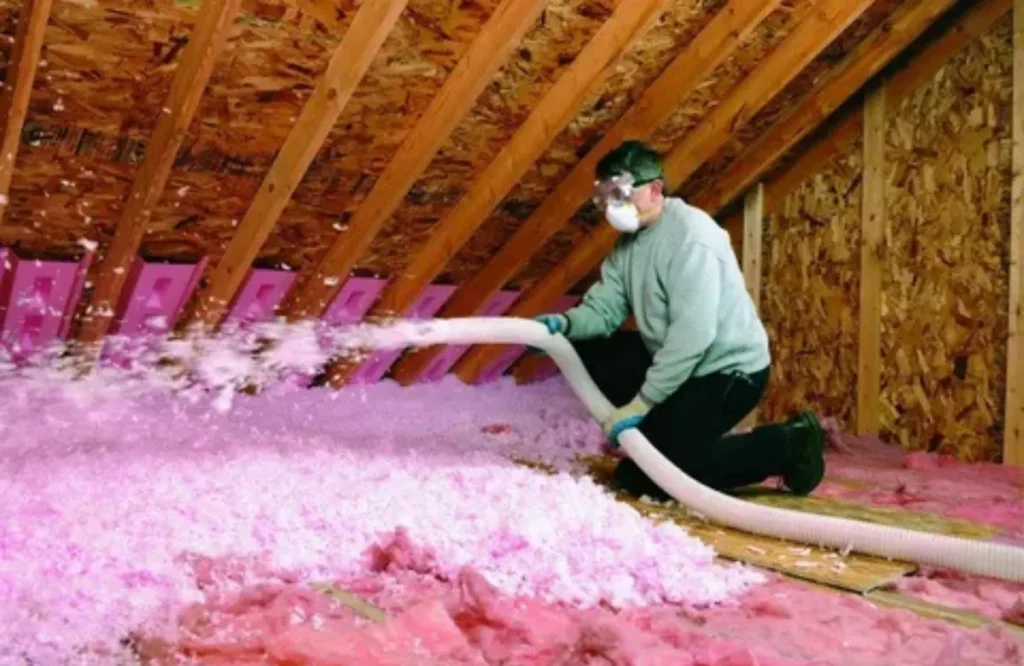
A respirator designed for insulation work is essential to avoid inhaling fibers. Long sleeves, gloves, and full-coverage clothing help reduce skin exposure, especially during residential fiberglass insulation projects.
Eye protection is equally important since fibers can cause serious irritation or damage. Sealing cuffs and openings prevents dust from getting inside clothing.
Proper safety gear significantly reduces the risk of fiberglass dermatitis.
Fiberglass Rash Treatment That Actually Works
Once fibers are removed, focus on calming the skin. Over-the-counter hydrocortisone cream helps reduce inflammation and itching.
Calamine lotion can also soothe burning sensations. Oral antihistamines may help with swelling and discomfort, especially at night.
For severe reactions, doctors may prescribe stronger steroid creams. Moisturizing regularly also helps repair dry, irritated skin.
Some people find oatmeal baths helpful for soothing inflammation and reducing itching.
When to Call Professional Help
Large insulation projects or contaminated spaces are best handled by professionals. Insulation pro service uses specialized equipment like HEPA vacuums and protective suits to prevent exposure.
DIY work may seem cost-effective, but improper handling can lead to medical issues and long-term irritation.
Professionals also work faster and ensure safe cleanup without spreading fibers throughout the home.
FAQs
How quickly do fiberglass exposure symptoms appear?
Symptoms usually start within minutes to a few hours, beginning with itching and redness.
Can fiberglass cause permanent skin damage?
Most cases heal fully. Permanent damage is rare unless scratching leads to infection or scarring.
Is fiberglass in eyes an emergency?
Yes. Eyes should be flushed immediately and medical help sought if irritation continues.
Does everyone react the same way to fiberglass?
No. Sensitivity varies widely based on skin type and exposure level.
Can fiberglass dermatitis be completely prevented?
Proper protective gear greatly reduces risk, but minor exposure can still occur.
Should I see a doctor for fiberglass itch?
Yes, if symptoms last more than a week or signs of infection appear.