

It feels like a losing battle every winter. You crank up the thermostat downstairs until the living room is cozy, but the bedrooms upstairs still feel like an icebox. You find yourself wearing three layers of clothes just to sleep comfortably. It is frustrating to pay high energy bills when half of your home stays freezing cold.
This common problem usually happens because of how heat moves through a building. Most homeowners assume their furnace is broken when the heat is not working upstairs properly. In reality, the issue often lies with your insulation and how your home holds onto air. Understanding why this happens is the first step toward finally feeling warm in every room.
Let’s Talk About Your Attic (Because It’s Probably Guilty)
Most folks blame the HVAC guy first. Fair. But here’s the thing—25 to 40% of your heated air is probably escaping through your attic right now. While you’re cranking the heat and wondering why it’s cold upstairs warm downstairs, your money is literally floating away.
Air leaks are the real villain. You can’t see them, but they’re there. Around your recessed lights, plumbing stacks, that weird wire the electrician ran in 1987. Warm air finds these holes like water finds cracks. Professional air sealing attic solutions work isn’t sexy, but man, does it work. We use infrared cameras and blower door tests to find the stuff you’d never notice. Sometimes we find leaks equivalent to leaving a window wide open. All winter.
And insulation? Don’t get me started. Your builder probably did the minimum. Fiberglass settles. It gets compressed. Mice mess with it. You need consistent coverage—no gaps, no thin spots, no “good enough” areas. Because when insulation fails in one spot, you get that one freezing bedroom while the rest of the floor’s fine. Super annoying.
Your Ducts Might Be Betraying You
Forced air systems are great until they aren’t. If you’ve got rooms that never get comfortable, your ductwork’s probably leaking 20-30% of your heated or cooled air before it even arrives. And upstairs gets hit hardest because ducts run through your attic—which is roughly the temperature of the surface of the sun in summer and a meat locker in winter.
Lots of homes have ducts that are too small for the distance they need to cover. Your furnace works fine, but by the time air travels through 40 feet of duct in a 140-degree attic, it’s lukewarm at best. Sometimes ducts literally disconnect—blowing heated air into your insulation while you wonder why the heat is not working upstairs. Meanwhile downstairs, you’re roasting because the system’s trying to compensate.
Manual dampers help if you have them. Most don’t. Balancing airflow properly requires someone who knows what they’re doing—not just closing random vents. (Don’t do that, by the way. You’ll break something expensive.)
One Thermostat Can’t Do Everything
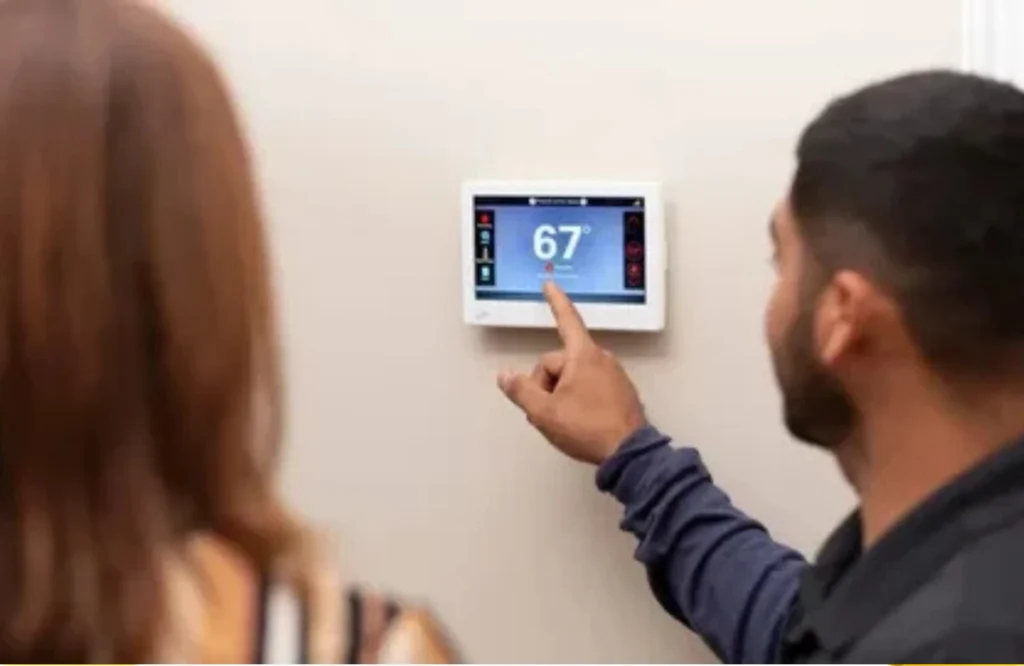
Here’s a dumb design flaw most homes share: one thermostat, usually downstairs, trying to control two completely different environments. It shuts off when the living room feels good, whether your bedroom’s comfortable or not. Great for the first floor. Terrible for you.
Your upstairs faces different challenges. Roof heat radiates down. Attic cold seeps through. Windows catch afternoon sun. You need HVAC zoning—separate thermostats, motorized dampers, independent control. Yeah, it costs more upfront. But you stop wasting energy heating rooms that are already hot, and you actually sleep comfortably.
Mini-split systems work too, especially for bonus rooms or houses where running new ducts means tearing up walls. Wall-mounted units condition specific spaces without the ductwork headache. Not pretty, but effective.
What You Can Actually Do
Start with an energy audit. I know, I know—sounds like a scam. But a good one ($300-500, sometimes free through your utility) shows you exactly where you’re bleeding money. Infrared cameras, blower door tests, the whole thing. Way better than guessing.
Seal before you insulate. Blowing fiberglass over air leaks is like putting a blanket over a window—you’re still cold, just with extra steps. Professional air sealing attic spaces pays for itself in a couple years through lower bills. Plus, your house feels better immediately.
Check those ducts. A duct blaster test finds leaks you can’t see. Sealing runs under a grand usually and makes a massive difference. While you’re at it, look at your return air vents—lots of older homes don’t have enough upstairs returns, which screws up airflow balance.
Pick your insulation wisely. Fiberglass needs 12-14 inches. Cellulose settles to about 10. Spray foam does both air sealing and insulation but costs more. There’s no single right answer—just right installation.
When to Call Us (Honestly, Sooner Than You Think)
Some stuff you can DIY. Weatherstripping, sure. Caulking, yeah. But attics? They’re dangerous. Hot, cramped, full of wiring that might not be up to code, flooring that won’t hold your weight. We’ve seen homeowners fall through ceilings. Not worth it.
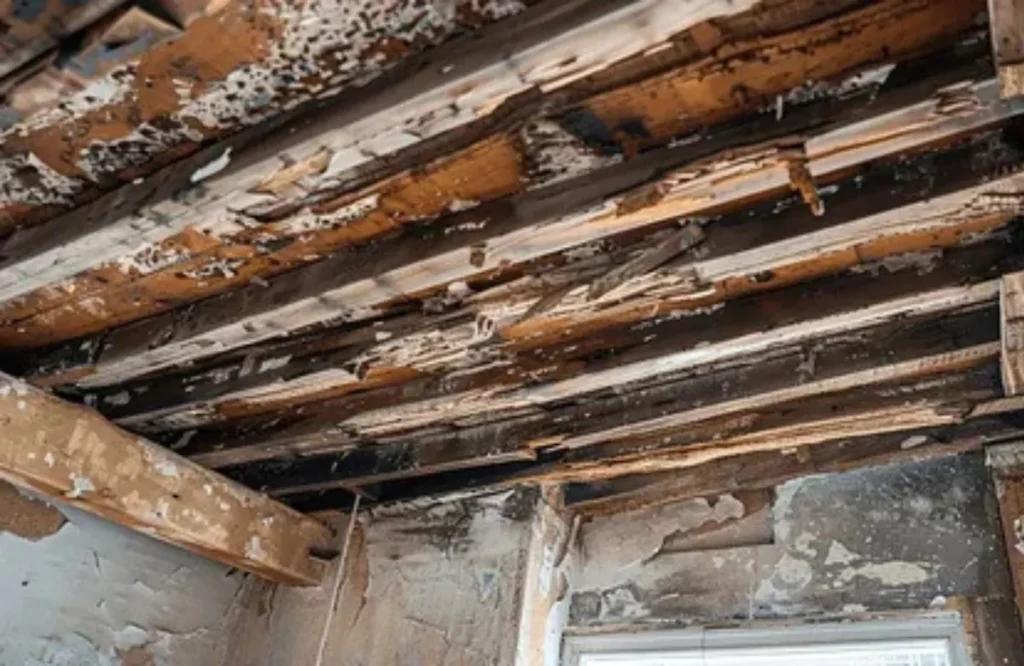
Also—mold. If your attic smells musty or you’ve got dark stains, you need attic mold removal before anything else. Moisture from air leaks creates perfect growing conditions. It messes with your air quality and rots your structure. We handle this safely; you shouldn’t try.
Professional assessment saves money long-term. We see folks who added insulation over leaks, or sealed without ventilation and created moisture nightmares. Heat load calculation, proper damper adjustment, knowing which insulation fits your situation—that’s expertise you pay for once instead of fixing mistakes twice.
Bottom Line
Still carrying blankets upstairs while sweating through dinner downstairs? Insulation Pro Service actually fixes this stuff. We’re in Mattoon, we know Illinois weather, and we specialize in making homes comfortable without replacing equipment that works fine. From attic mold removal to spray foam to duct sealing—we do it right, not fast and sloppy.
Call us for a free assessment. We’ll show you exactly why your house fights you and what it’ll take to fix it. No pressure, no upselling, just solutions that work. Your bedroom shouldn’t feel like a different zip code.
FAQs
How much will this actually cost me?
Attic sealing and insulation typically runs $1,500-$4,000. Duct work adds $800-$2,000. Full zoning is $3,000-$7,000. Rebates and tax credits help a lot—ask us about current programs.
Can’t I just close downstairs vents?
Please don’t. You’ll break your system. Pressure imbalances freeze AC coils and overheat furnaces. Get proper balancing instead.
How do I know if I have attic air leaks?
Drafty rooms, stupid-high energy bills, cold floors under attic spaces, or light peeking through the hatch. Or just call us for a blower door test and know for sure.
Will new windows fix this?
Probably not the main problem. Start with attic and ducts. Windows are expensive and rarely the root cause of whole-house temperature swings.
Why won’t my air conditioning not reach upstairs?
Hot attic + leaky ducts + stack effect = miserable summers. Same forces as winter, just reversed. We fix both.